
Executive Summary
Product seeding works best as a system. Most creator gifting campaigns break when volume increases because fulfillment, tracking, and compliance aren’t built on a strong foundation.
This guide details a repeatable, operationally focused product seeding strategy for creators, including workflow, fulfillment, compliance, and measurement. If you fix the system, gifting becomes a reliable growth channel instead of a chaotic expense.
Key Takeaways
- A product seeding strategy for creators only works when rules and workflows are defined upfront
- Fulfillment, not outreach, is the primary bottleneck to scale
- Tracking and compliance must be built into the system, not added later
- A simple offer ladder (gift → affiliate → performance) increases ROI over time
- Weekly cadence and measurement turn seeding into a repeatable growth engine
Why Product Seeding Breaks at Scale
At a small scale, creator gifting feels simple. Send products, hope creators post, and track what you can.
Then volume increases and chaos breaks out.
Wrong sizes get shipped. Tracking links go missing. Creators receive products late. You start chasing posts in DMs. There’s no clear view of ROI, and no way to improve what’s not working.
What worked at 20 shipments breaks at 100, that’s where most teams get stuck. Are you shipping 50-500 boxes a month and still asking “did they post?”
That’s a logistics problem, not a reliable creator gifting strategy.
The Chaos Tax of Manual Gifting
Creator marketing budgets are increasing fast.
The IAB projects the creator economy to grow 26% year over year, while eMarketer forecasts US influencer marketing spend to exceed $10B.
A creator gifting strategy is now part of a core go-to-market strategy.
Manual gifting feels manageable until all of a sudden the system starts to break and hidden costs show up everywhere.
Shipments go out late, variants are wrong, tracking disappears, creators stop responding. Teams spend their time chasing updates instead of analyzing results.
That’s the chaos tax. And it compounds quickly.
What is a Creator Gifting Strategy?
A creator gifting strategy is when a brand sends free products to creators so they can try them and potentially share content with their audience. There’s usually no guarantee of a post.
At a basic level, it looks like:
- Identify creators
- Send products
- Hope for content
- Track what you can
If you’re looking for a step-by-step guide to running a creator gifting campaign, you can read our full breakdown on how to run a product gifting campaign that drives sales.
What is Product Seeding for Creators?
Product seeding for creators is a structured version of a creator gifting strategy.
Instead of sending products randomly, product seeding introduces:
- Intentional creator selection
- Standardized product fulfillment for gifting
- Built-in tracking through links, codes, or landing pages
- A repeatable workflow to measure and improve outcomes
In simple terms, product seeding is creator gifting with a system behind it. It turns a creator gifting campaign into something scalable, measurable, and consistent.
What Product Seeding Is (and Isn’t)
What Product Seeding Is:
- A product sampling strategy for creators designed to generate authentic content
- A structured workflow across creator discovery, onboarding, fulfillment, and tracking
- A repeatable system that turns product gifting into measurable outcomes
- A creator-first approach that allows for authentic content without strict control
- A foundation for scaling into affiliate marketing or performance-based creator partnerships
What Product Seeding Is Not:
- Not random influencer gifting with no tracking or follow-up
- Not PR gifting or PR seeding focused only on reach and impressions
- Not requiring creators to post or controlling what they say
- Not a one-time influencer gifting campaign with no iteration or learning loop
- Not a replacement for paid influencer marketing with guaranteed deliverables
Why “Trial” Changes Outcomes
Research from Nielsen shows 85% of purchases are from brands consumers have already tried, while a meaningful portion of shoppers feel hesitant trying something new.
Product seeding works because it removes that barrier. Creators try the product first, their audience sees real usage, and the path to conversion becomes shorter.
This is why product sampling and creator-led trials consistently outperform traditional awareness campaigns.
The Seeding Flywheel: How Scalable Programs Work
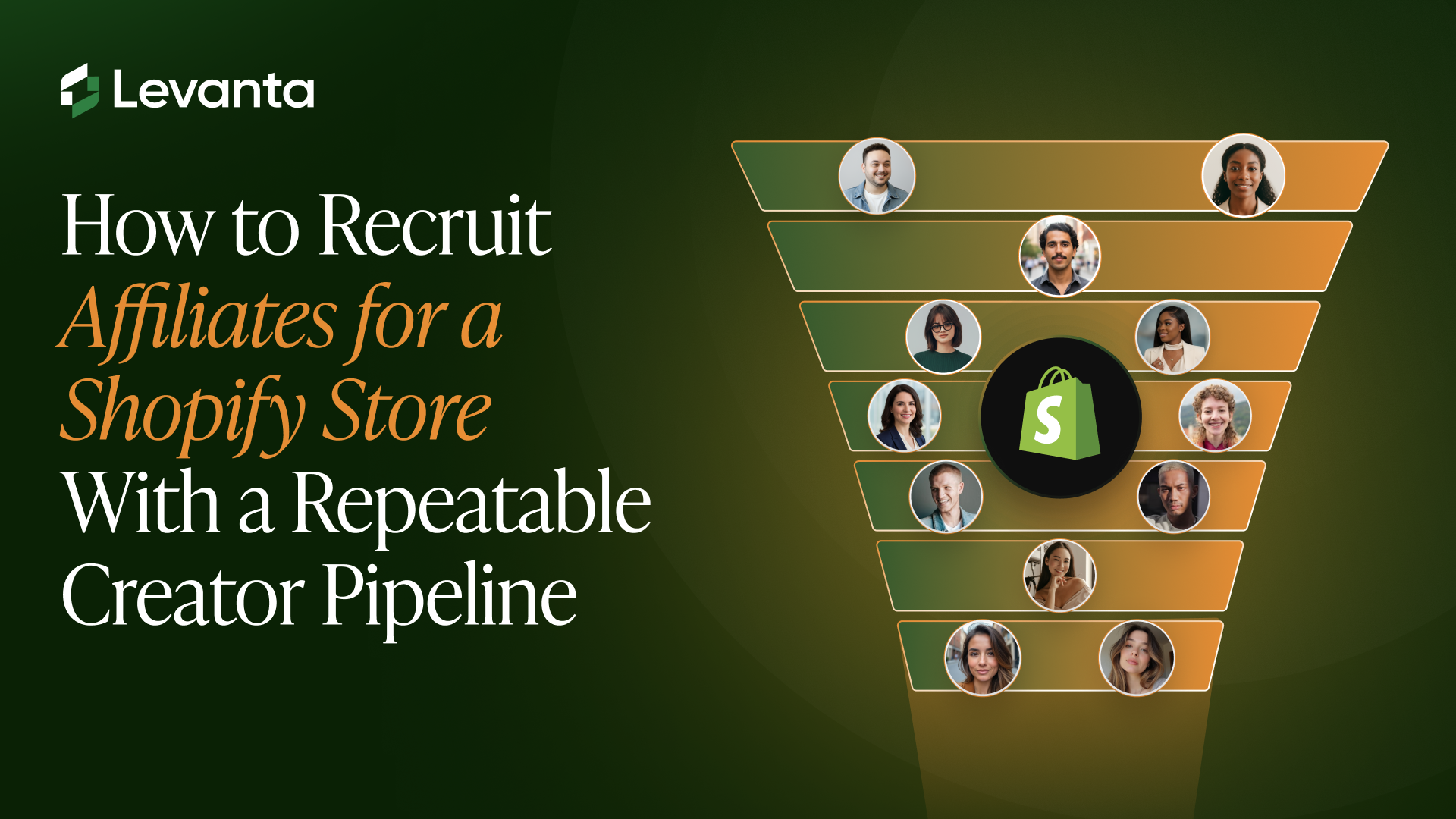
A scalable product seeding strategy for creators follows a simple loop:
1) Recruit
2) Qualify
3) Ship
4) Confirm
5) Activate
6) Track
7) Learn
8) Repeat

Most brands want to scale the top of the flywheel first. More creators in the pipeline feels like progress. It’s visible, easy to measure, and promises more output.
Shipping, confirming, and tracking are where the system breaks.
The flywheel only works if operations hold. All eight steps need to function together. If one breaks, the whole system breaks.
If your fulfillment and tracking aren’t ready, scaling creator discovery only makes the problem worse.
The flywheel shows the loop, the operating system is what makes each stage repeatable.
The Step-By-Step Scalable Seeding Operating System
Step 1: Set Goals and Guardrails
Define success before you ship. Track:
- Content volume
- Activated creator rate
- Attributable signals (clicks, codes, ad-to-carts, conversions, and sales)
- Creator retention
Set budget caps and clear expectations around claims and messaging.
Step 2: Recruit and Qualify the Right Creators
Score creators across:
- Audience fit
- Content quality
- Consistency
- Brand safety
- Friction risk
Keep it simple, 1-5 scoring is enough.
Step 3: Create an Offer Ladder
Not every creator needs to be paid upfront. Structure progression:
- Tier 1: Gift only
- Tier 2: Gift + affiliate commission
- Tier 3: Gift + affiliate + performance bonus
This turns product seeding into a creator partnerships strategy, not just a cost center.
Step 4: Standardize Outreach and Onboarding
Every message should include:
- Why you chose them
- What they receive
- What you’re asking
- Timing expectations
- Disclosure requirements
- A simple CTA
Consistency reduces friction.
Step 5: Fix Fulfillment Before Scaling Volume
This is the most important step. Your product fulfillment for gifting must include:
- Variant and size capture
- Address consent and collection
- Shipping SLA
- Tracking and delivery confirmation
- Replacement policy
McKinsey research shows consumers are highly sensitive to delivery reliability and costs. Creators are no different. If shipping fails, the entire system fails.
Step 6: Package for Creation and Confirm Delivery
Think beyond the box. Include:
- Insert card with context
- Usage tips
- QR code to landing page
- 2–3 content angles
Don’t script creators, enable them.
Step 7: Activate Creators with a Lightweight Sequence
Follow a simple cadence:
- Day 0: Delivery confirmation
- Day 3: Check-in
- Day 7: Light reminder
- Day 14: Final follow-up
Step 8: Track, Learn, and Repeat
Minimum tracking stack:
- UTM links
- Discount codes
- Creator landing pages
- Post tracking log
- Weekly reporting
Edelman research consistently shows creator content drives consumer trust. Tracking helps you double down on what works.
US Compliance Basics (FTC) You Can’t Ignore
In the US, gifted products are considered a material connection under FTC influencer disclosure guidelines. That means creators must disclose the relationship clearly and conspicuously, according to FTC Endorsement Guides. At a minimum, creators should include a clear disclosure:
- Gifted by [Brand]
- Thanks [Brand] for the gifted product
- #ad
Manual Gifting vs Systemized Product Seeding vs Paid Creator Campaigns
| Dimension | Manual gifting | Systemized seeding | Paid creator campaign |
| Creator selection | Random / reactive | Scored + repeatable | Curated + contracted |
| Fulfillment | Ad hoc shipping | SLA + tracking + replacements | SLA + tighter control |
| Tracking | None / messy | Links + codes + UTMs | Full measurement plan |
| Compliance | Inconsistent | Built-in disclosure guidance | Contractual compliance |
| Scalability | Breaks at 50–100/mo | Stable at 100–1,000+/mo | Scales with budget + ops |
| Best for | “Try it out” phase | Always-on growth foundation | Big launches, hero pushes |
Real World Scenario: Scaling From 40 to 250 Creator Shipments Per Month
A $10M skincare brand launched a creator gifting program ahead of a new product release.
At 40 shipments a month, it worked. Creators were tracked in a spreadsheet, addresses and SKUs came through DMs, and orders were passed manually to their 3PL.
Then they tried to scale.
Creators received the wrong SKUs, packages arrived late, tracking lived in different spreadsheets so there was no clear view of who posted or whether anything was driving sales.
The instinct was to keep pushing outreach to offset the lack of results, but that only made the system harder to manage.
The shift came when they fixed the workflow.
They moved intake out of DMs into Levanta which automates the process from end-to-end. Creators would sign up for Levanta and they could request products directly from the brand where the brand would approve or reject the request.
Within a few weeks, they scaled to 250 shipments per month with fewer errors and more consistent responses. Most importantly, they had visibility into which creators were actually driving results.
Their biggest change was fixing fulfillment and tracking. More creators only work when the system is reliable.
30-60-90 Day Rollout Plan
First 30 Days: Foundation
Focus on building the system.
- Define goals and guardrails
- Build creator rubric
- Launch intake form
- Establish fulfillment SOP
- Set up tracking dashboard
Next 60 days: Scale
Scale with control.
- Introduce offer ladder
- Implement activation sequence
- Increase shipment volume gradually
- Establish weekly reporting cadence
Next 90 days: Optimize
This is where product seeding becomes predictable.
- Identify high-performing creators
- Introduce bonuses and incentives
- Optimize packaging and content angles
- Improve unit economics
Conclusion
Scaling a creator program is about building a system that can handle it, not finding more creators or sending more products.
Manual gifting breaks because fulfillment, tracking, and follow-ups aren’t designed to scale. What feels manageable early on quickly turns into operational drag, missed opportunities, and no clear path to improvement.
A structured product seeding strategy fixes that. It turns creator gifting into a repeatable workflow with clear inputs, outputs, and measurable outcomes.
Platforms like Levanta make that system easier to run. Brands can manage their creator seeding workflow in one place, from product sampling to performance measurement.
Request a demo from Levanta to see how a scalable creator seeding system actually works.
FAQs
What is product seeding strategy for creators in simple terms?
A product seeding strategy for creators is a structured approach to sending products for trial, enabling content creation, and tracking outcomes through links, codes, or engagement signals.
Why does gifting turn into chaos when you scale it?
Because fulfillment, tracking, and follow-ups aren’t systemized. Manual workflows break as volume increases.
Product seeding vs PR gifting vs influencer marketing what’s the difference?
Seeding focuses on trial and measurable outcomes. PR gifting is awareness-driven. Paid influencer marketing involves contracted deliverables and guaranteed content.
How do I choose creators for seeding without wasting product?
Use a simple scoring rubric based on audience fit, content quality, consistency, and brand alignment.
What should I put in a creator seeding package to increase posting rates?
Include the product, usage tips, insert card, QR link, and content angles. Avoid scripting.
What are the best KPIs for a product seeding campaign?
Activated creator rate, content posted rate, cost per activation, clicks, code usage, and repeat creator rate.
How do I track ROI from gifting if creators don’t use affiliate links?
Use UTMs, discount codes, landing pages, post-purchase surveys, and overall lift signals.
What does FTC-compliant disclosure look like for gifted products?
Clear and conspicuous disclosures like “gifted by [brand]” or “#ad,” placed where users can easily see them.
What’s a realistic seeding volume per month for a lean DTC team?
Start with 25-75 shipments/month. Scale to 100-300 as your fulfillment and tracking systems stabilize.
What’s the fastest way to set up a scalable seeding workflow this week?
Create a rubric, build an intake form, define fulfillment SOP, set up tracking, and implement a simple follow-up sequence.