
TL;DRA record-breaking Q4 can still have margin problems. The answer isn’t about spending less, but knowing what growth is worth paying for and how much of it you’ll actually get to keep. |
Why Q4 Growth Can Hurt Ecommerce Profit Margins
It’s no secret eCommerce brands celebrate growth, but growth and profit don’t always show up to the party together.
Q4 dashboards often tell the growth story across revenue, ROAS, AOV and customer acquisition. The reality is that growth gets expensive during the holidays. Advertising costs go up, discounts get deeper, inventory gets harder to manage and fulfillment gets squeezed. Then the returns start flowing in.
Campaigns that look great on paper can still lose margin once you add up the commissions, fees, promotions, fulfillment costs and returns. While revenue wins make great LinkedIn headlines and look even better plastered across internal decks, the real question remains:
How much of that growth did you actually keep?
Where Ecommerce Brands Still Have Room to Defend Margin
While tariffs, marketplace fees and carrier rates are out of a brand’s control, brands still have options to manage margins around those costs.
They can decide:
- where to spend ad budget
- which products to promote
- how deeply to discount
- what they can afford for customer acquisition
- where inventory needs to be before demand hits
Brands can also improve conversions before paying for more traffic, and rethink the experience after a customer decides to return an order.
Doing more with less isn’t always the answer. It’s about being more deliberate when investing in growth opportunities, and understanding what that growth needs to return.
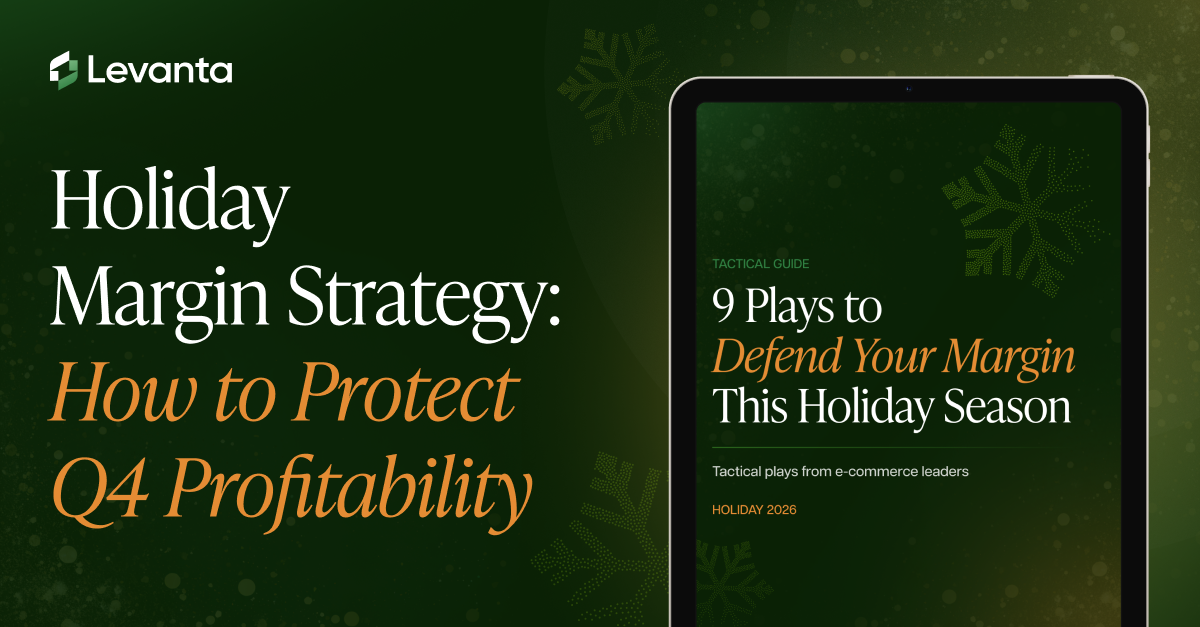
9 Plays to Defend Your Margin This Holiday Season
That’s why we asked ecommerce technology leaders and agency experts one question:
What play would you run to defend margins this holiday season?
We got nine tactical moves from Levanta, Triple Whale, CommerceIQ, Omnia Retail, OMG Commerce, pdPlus, Absolute Web, ZonPrep and Redo:
- Use creator affiliate payouts as a margin lever, not just a marketing cost
- Measure your AI visibility before you optimize for it
- Connect holiday demand and inventory signals to stay ahead of costly stockouts
- Stop discounting across the board
- Decide what role Amazon plays for your brand
- Set Walmart holiday ad spend based on item-level margin
- Optimize your highest-traffic mobile product page before holiday campaigns launch
- Eliminate placement fees and get to Prime eligibility faster
- Make exchanges the first choice, not returns
We brought all nine plays together in one tactical guide. Each play breaks down how to run it, what to expect and what to watch for as holiday demand ramps up.
Get the 9 Plays to Defend Your Margin This Holiday Season:

FAQ
What is a holiday margin strategy for ecommerce brands?
A holiday margin strategy helps ecommerce teams make growth decisions with profitability in mind before and during the peak season. A solid margin strategy looks beyond revenue and the many factors like acquisition costs, discounts, commissions, marketplace fees, inventory, fulfillment and returns when deciding where and how aggressively to invest.
How can ecommerce brands protect profit margins during Q4?
Focusing on the decisions within your control is paramount. Brands still can manage where they spend, which products they promote, how deeply they discount, what they can afford to pay for customer acquisition, where they place inventory and how they manage returns.
How do Amazon, Shopify and Walmart affect holiday margins differently?
Each channel varies when it comes to acquisition costs, fees, fulfillment requirements and customer behavior. Approaching each channel individually and leveraging product-level economics can help brands decide where holiday spend and promotions make the most sense.